You Haven't Lived Until You've Cruised!
Every day, more people discover the inclusive pleasures of a cruise vacation. More and more singles, families, couples, honeymooners, second honeymooners and groups of friends are sailing away on the vacation of their lives. This year, some 21 million people will enjoy a cruise vacation. When you look at all the reasons, it’s easy to see why.
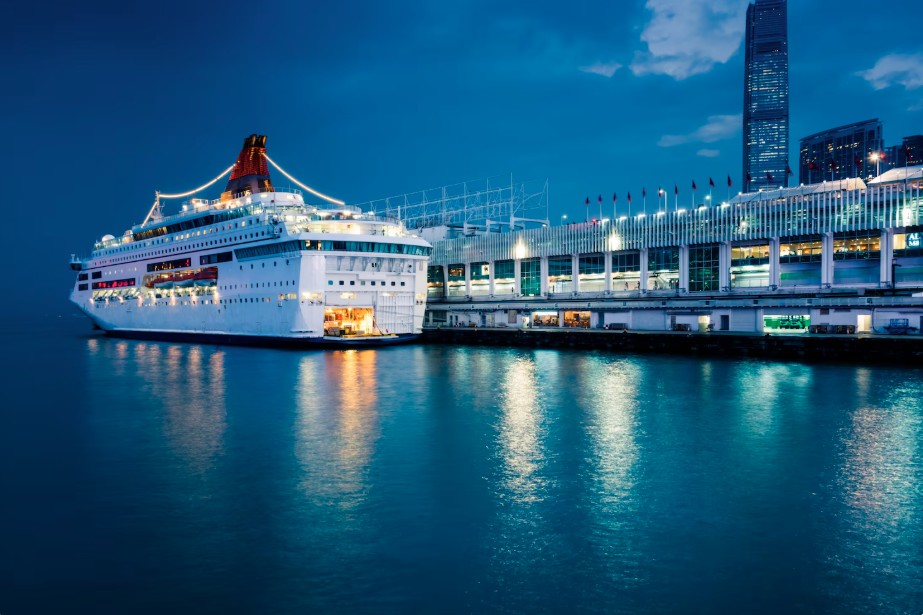
- The price of a cruise includes your accommodations, activities, parties and entertainment, most on-board meals and snacks, and an exciting voyage to some of the most enchanting and culturally enriching places in the world. You'll also find opportunities to enjoy fine dining, great shows, luxurious spas and much more.
- A cruise ship is like a floating resort, with all the amenities of a fine hotel, and then some. You may discover a different port, city, or country at your doorstep every day.
- The hassles of an ordinary vacation are completely eliminated. A cruise is one convenient package. Your accommodations travel with you...no arranging for hotels or running to make flight connections as you navigate from one destination to another. And best of all...you only have to pack and unpack once!
- You'll meet new friends who share the same interests as you and they may be from your city, another US city or even another country.
Personalizing your vacation has never been easier.
Select a cruise that is just right for YOU. And there are plenty to choose from! You can have the vacation of a lifetime, see the world, completely unwind, take a walk on the wild side, dance the night away, feast on fabulous cuisine, learn something new, make friends, bond with your family, and steal quiet moments alone or with your spouse. Whatever your heart desires is yours when you choose a cruise vacation.
FACT – Of all vacation experiences, cruises rank at the top for the highest percentage of satisfied customers. Ask your CLIA Cruise Agent about a cruise vacation. Most CLIA Cruise Agents have been on cruises themselves and can give you advice that comes from their very own personal experiences.
What is included in the price of my cruise?
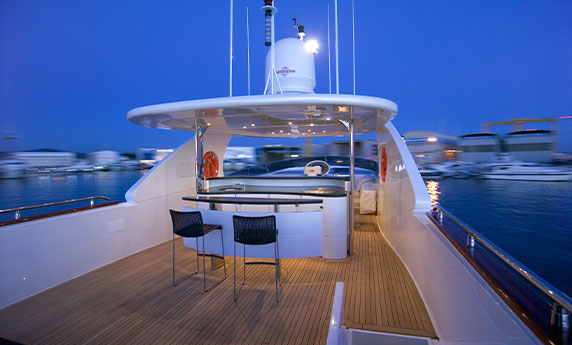
Cruising is the best vacation value! There are cruise vacations to suit every budget and taste. In general, the cruise price includes your choice of accommodations, as well as onboard activities and entertainment, most meals, plus transportation from port to port. You’ll know what your vacation will cost before you go. You’re only extra expenses will be drinks, specialty restaurants, optional shore excursions, spa services, gratuities and any other incidentals you may choose to purchase while onboard or ashore.
How do I book a cruise?
Visit or call a CLIA Cruise Agent. A CLIA Cruise Agent will help you select the cruise that best fits your vacation schedule, preferences and budget. They make all the arrangements to get you from your doorstep to your ship and back. Plus, many have completed extensive training programs, including sailing on and inspecting a vast number of cruise ships across many different lines. You can rest assured that a recommendation from a CLIA Cruise Agent will be the right one and in most cases, based on their own personal knowledge and experience.
Are there different types of cruises?
Yes! There are cruises designed to suit virtually every interest and personal preference. The choices include: boutique, luxury cruises with globetrotting itineraries; large, contemporary ships with a fantastic array of recreational and entertainment facilities; classic vessels evoking the time-honored traditions of cruising; special-interest or exploration cruises focusing on unique destinations with an emphasis on cultural enrichment; and river voyages into the heart of a destination. Cruise lines offer a wide variety of long, medium and short cruise options.
There are cruise lines that feature soft adventure expeditions to unique frontiers, such as Antarctica, the Amazon Rain Forest or the African Serengeti. You can discover historical legacies closer to home with enlightening itineraries to New England, French Canada, Colonial America, and America’s rivers. For experienced travelers, destination-focused cruises specialize in culturally-rich ports of call with itineraries dedicated to illuminating such historic, world-class treasures as the antiquities of classical Greece and Turkey, the Polynesian paradise of Hawaii, the fabled splendor of Norwegian fjords or the castles and museums along Europe’s rivers. For many, the perfect vacation is all about the non-stop fun and sun of a tropical resort-style cruise to the Caribbean, where you can sample a variety of island cultures and cuisines in total relaxation.
Plus, many cruise lines create special “themes” onboard, with entertainment ranging from jazz festivals and classical music concerts to golf clinics and murder mysteries at sea. Whether you want to “get your feet wet,” or just relax, you’ll find a cruise to suit your lifestyle.
One thing is for sure: you’ll never run out of things to see or do on a cruise!
What are my choices when picking a cruise ship?
Ships range from U.S. and European riverboats, with options including intimate and yacht-like ships to vessels stretching longer than three football fields. You can sail with fewer than 100 fellow guests or with more than 5,000. Enjoy atmospheres ranging from casual to formal, contemporary to classic. Enjoy the endless activities offered on a contemporary resort-style cruise, or immerse yourself in the culture of a destination on a special interest cruise.
Where can I go on a cruise?
Wherever in the world there is navigable water – and since the earth is 70% water, that’s pretty much everywhere! Cruises visit over 500 ports worldwide and practically every destination accessible by water. You can embark on your cruise vacation from one of the over 30 North American ports or from any of the other ports around the world.
What can I do in port?
You can explore on your own or take a guided tour (referred to as shore excursions). Search ancient ruins or shop for bargains. Ride a raft over river rapids or a horse across miles of hills and beaches. Explore a waterfall or pyramid. Follow in the footsteps of history or in the wake of a waterskiing boat. If there’s still time, improve your golf or tennis game on one of the many famous courses and courts your cruise may visit. Learn how to windsurf. Sun and swim at some of the world’s best beaches. Catch a record marlin. Sail, snorkel or scuba dive. Take a cable car to the top of a mountain. Explore catacombs. The list is endless.
Cruising is the perfect way to sample a wide variety of new destinations and try all the things you’ve ever (or never) dreamed of doing.
Do cruise lines accept group bookings?
Why not take your group on a cruise? Whether it’s a reward for your office staff or your family reunion, many cruise lines welcome groups and may offer special rates depending on the size of the group. Policies vary from line to line. Consult your CLIA Cruise Agent for details.

What’s an air/sea cruise package?
A fly/cruise or an air/sea cruise vacation package includes, along with your cruise fare, airfare to and from the ship’s port of embarkation. Be sure to ask your CLIA Cruise Agent about the options to get you to and from your cruise embarkation port.
Do I need a passport?
CLIA (Cruise Lines International Association), your CLIA Cruise Agent and our Member Cruise Lines highly recommend that all cruise passengers travel with a passport. While the U.S. Government may not require a passport for sea travel on certain cruises originating in the U.S. and for travel only within the Western Hemisphere, other specified documentation is required. For specific U.S. governmental passport and visa regulations visit: http://travel.state.gov. Be sure to ask your CLIA Cruise Agent what passport requirements apply to your cruise vacation.
What should I pack?
Pack like you would for any resort. Cruise vacations are casual by day, whether you’re on the ship or ashore. In the evening, the dress code varies by ship and by occasion. Some ships may have a Captain’s Gala, for example, and you’ll probably want to wear something more formal, such as a dark suit, or cocktail dress, perhaps even a dinner jacket or gown. Reflecting today’s lifestyle trends, many cruise lines now feature a more relaxed and casual approach to dress throughout the cruise — while on others, formal dinners or parties are part of the fun. But don’t buy a tuxedo just for the trip. Even on the most formal of ships, a dark suit and tie are fine for the dressiest occasions. Check the style of dress for your cruise choice with your CLIA Cruise Agent.
Do cruise lines welcome families with kids?
More and more cruise vacations are booked by families with children. More than 30% of cruise vacationers sail with children and nearly all cruise lines provide supervised activities for kids, especially during school holidays. If your children enjoy swimming, sports, games, movies and the adventure of new places, they’ll love a cruise.
You’ll find that children adapt to shipboard life with ease. Trained youth counselors will help keep them safe, busy and entertained. Ships even offer different types of age-appropriate activities, suitable for toddlers to teens. Your CLIA Cruise Agent can assist you in matching your family with the right cruise vacation.
Can singles have fun on a cruise?
Absolutely! Cruising is for everyone! And cruising is especially ideal for people traveling alone because it’s so easy to meet other people. Some ships also have single staterooms and others offer rates designed for single travelers. Many travel agents host groups for singles and, if you ask, you may even find a cabin mate so you can obtain the per person/double occupancy rate.
Is cruising appropriate for honeymoons?
Yes! Cruising offers an atmosphere that’s just right for romance: cozy dinners for two, strolling on deck at sunset, dancing the night away, and ample opportunities to stargaze. Most lines provide special services from Sunday or Monday departures to champagne and breakfast in bed. Also, more and more couples are having destination weddings on a cruise and many ships offer special packages for marriage ceremonies, receptions, and vow renewals.
How are special occasions celebrated on a cruise?
Most cruise lines will treat you to a complimentary special dessert and a chorus of “Happy Whatever” to honor the occasion. Cruise staff can make your birthday or anniversary more festive with champagne, flowers or whatever the occasion demands. You can even arrange for a special private party. All you have to do is advise your CLIA Cruise Agent in advance, so that they may advise the cruise line prior to your cruise.
FAQs
Do cruise lines welcome families with kids?
More and more cruise vacations are booked by families with children. More than 30% of cruise vacationers sail with children and nearly all cruise lines provide supervised so you can check your e-mail on your laptop in your stateroom or go to the onboard Internet facility — specially designed to meet your online needs onboard. In addition, most ships have a daily newsletter with news, headtines, selected stock quotes and sports scores. Additional charges apply for phone, internet and cellular service: have your CLIA Cruise Agent check witb your cruise line for current rates and information.
What if I have special dietary requirements?
Most ships can accommodate salt-free, low-carbohydrate, low cholesterol, diabetic, and select other diet preferences. This request should be made in advance, so be sure to advise your CLIA Cruise Agent when you book your cruise.
What about dining companions - can I sit with my spouse and friends only, or will I have other tablemates?
Increasingly, the shipboard dining experience has become more casual and often there is open seating, allowing you to dine when, where, and with whom you wish. However, experienced cruisers say they prefer sitting at a table with several other diners; some lifelong friendships have been made this way. Some lines have assigned seating in the main dining rooms, others offer open seating with or without reservations. It is best to choose a line that offers the type of experience that you prefer. Cruise lines do their best to accommodate each guest’s wishes, and it is possible to request a table for two or four. In the unlikely event that you do wish to change tablemates, speak with the maître d’, who will make every effort to seat you with more compatible dining companions…discreetly and politely.
What about tipping?
Tipping is a matter of individual preference. In general terms, the average (inclusive of stateroom steward/stewardess, waiter, assistant waiter, head waiter) is approximately $10-$15 per person, per day. Any ship-board personnel can be tipped for special services received or at your discretion. For your convenience, most lines add the standard gratuity to bar service tabs. In most cases, general gratuities may be charged to your stateroom. Some lines include gratuities in the price of your cruise, while others maintain a “no tipping” policy. Check with your CLIA Cruise Agent regarding the individual cruise line’s policies.
How can I stay connected while cruising?
If you must, you can! Most staterooms are equipped with televisions and telephones. You can even use your own cell phone on some ships, where cellular service is available. Many cruise ships are now Wi-Fi enabled,so you can check your e-mail on your laptop in your stateroom or go to the onboard Internet facility – specially designed to meet your online needs onboard. In addition, most ships have a daily newsletter with news, headlines, selected stock quotes and sports scores. Additional charges apply for phone, internet and cellular service; have your CLIA Cruise Agent check with your cruise line for current rates and information.
What are the smoking policies?
Virtually all dining rooms and many other public areas are smoke-free. Some public rooms have designated areas for smoking. Policies vary by line. Check with your CLIA Cruise Agent regarding the individual cruise line’s policies.
How can I extend my cruise vacation?
Cruise lines usually offer special pre- and post-cruise vacation packages that allow you to extend your vacation in either your port of embarkation or disembarkation.
Is motion discomfort a problem?
Rarely. Popular cruise itineraries sail some of the calmest waters in the world. In addition, stabilizers on modern ships, availability of advance weather information, and development of effective preventative medications have, for the most part, reduced or eliminated the incidence of motion discomfort.
Whom should I contact if I have questions that haven’t been answered?
Contact a CLIA Cruise Agent. With thousands of CLIA Cruise Agents in the United States and Canada, there’s sure to be one nearby! These travel professionals are knowledgeable about all of the options available for your cruise experience.
For your Information...
A Vital Part of America's Economy
Although cruise ships sail throughout the world, cruising as a business substanfially benefits North America. Cruise lines make up a vital piece of the American economic picture. According to annual studies conducted by Business Research and Economic Advisors (BREA), the cruise industry contributed more than $44 billion to the U.S.economyin2O13.
- Total cruise industry spending supports 363,000 American jobs, paying 518.3 billion in total wages and salaries in 2013.
- Many cruise industry purchases - from food and beverages served on the ships to crew uniforms - are made in the United States. The combined direct spending of cruise lines and their passengers on American goods and services in 2013 totaled $20.1 billion.
Cruise Ships and the Environment
The industry has a vested interest in protecting the global ocean environment, not only because it is the responsible thing to do—but also because dean oceans and beaches are essential to the cruise experience.
- The cruise industry follows environmental stewardship practices that seek to fully protect the communities, ports, and waters wherever we operate.
- The cruise industry employs practices and procedures that are substantially more protective of the environment than are required by regulation.
- All members of CLIA are dedicated to preserving the marine environment and in particular the pristine condition of the oceans and other waters upon which our vessels sail.
The cruise industry takes environmental stewardship very seriously and continues to invest extensively in new technologies that use energy more effectively.
- The cruise industry continuously examines ways to minimize environmental impact on the waters and coasts where we operate - often going well beyond current regulatory requirements.
- The advanced wastewater treatment systems cruise lines have pioneered produce water cleaner than most wastewater treatment facilities in U.S. coastal cities.
- CLIA members have invested significantly over the last decade to develop and implement new technologies that help to reduce air emissions by uttI' exhaustgas scrubbers, developing engines that run more efficiently, and using shore-based power.
- Cruise Lines have also lowered energy consumption ay switching to low energy LED lights, using recycled hot water to heat passenger cabins, and installing special window tinting to keep passageways cooler while using less air conditioning.
Cruising is one of the safest, most enjoyable vacation experiences for millions of people every year
Your Health & Safety
Cruise ships are extremely safe. The cruise industry enjoys a safety record that makes us proud with an extremely low number of safety-related incidents when compared to other modes of travel. In recent years, new innovative safety-related technology, processes, and training have become even more sophisticated, making cruise ships safer than ever.
The global cruise industry is heavily regulated at both the national and international levels, and enforcement of these regulations is strict and comprehensive.
The International Maritime Organization (IMO), an international regulatory body with 170 Member States including the United States, develops and oversees global regulations and standards for the maritime industry, including the safety and operation of cruise ships.
- The IMO's Member State governments develop uniform global safety standards for cruise ships, and other ships, while also regulating security, crewmember protections and training, legal liability, search and rescue, facilitation of commerce, and environmental protection.
The U.S. Coast Guard is both a regulator and the enforcement agency that oye‹sees cruise ships in U.S. waters. They are involved in nearly every aspect of cruise ship oversight, from ship design and construction to ongoing operations. The Coast Guard conducts regular announced and unannounced inspections of cruise ships.
What happens if I become sick or injured on a cruise ship?
Should the need arise cruise lines are equipped with medical facilities for guests and crewmembers. All of CLIA’s oceangoing members must adhere to the Medical Guidelines established by the American College of Emergency Physicians (ACEP), the largest association of emergency medical professionals in the world.
What should I know about norovirus?
Historic incidence rates of Gastrointestinal Illness (including norovirus) aboard cruise ships are low. According to the CDC, the vast majority of outbreaks occur in land-based settings such as restaurants, schools, hospitals, and nursing homes.
Cruise Lines take numerous measures to look out for the health of passengers. CLIA Member Lines have implemented enhanced passenger health screening procedures, especially during the flu season, to identify and offer medical assistance to ill passengers prior to boarding. Cruise Lines also educate crew and passengers on proper hand hygiene practices to help maintain a clean and healthy environment.
Safety Tips for Cruisers
To ensure your safety and enjoyment while on a cruise vacation, CLIA recommends taking the following steps:
Before you go...
- Book all cruise vacations through a trusted travel professional (like a CLIA Cruise Agent) who can assist you through the entire travel planning process or help if there is a problem with your trip.
- Keep a photocopied packet of your passport, credit card information, insurance information and driver’s license at home or with friends/family where it can be accessed if needed.
- Make an emergency plan with those you are sailing with.
- It is a good idea to purchase travel insurance. Consult with a your CLIA Cruise Agent for all of the details.
While onboard...
- Attend all mandatory safety drills and listen carefully to instructions.
- Familiarize yourself with your surroundings - exits, evacuation stations, stairways, location of life vests, etc.
- Inform the ship’s staff of any special requirements, allergies, etc.
- Be sure to ask any questions you may have about safety procedures.
- Avoid participation in risky behaviors like excessive consumption of alcohol and admitting strangers in your cabin.
- Report any concerns to ship security.
- In short, do what you would do at home to ensure your health and safety.